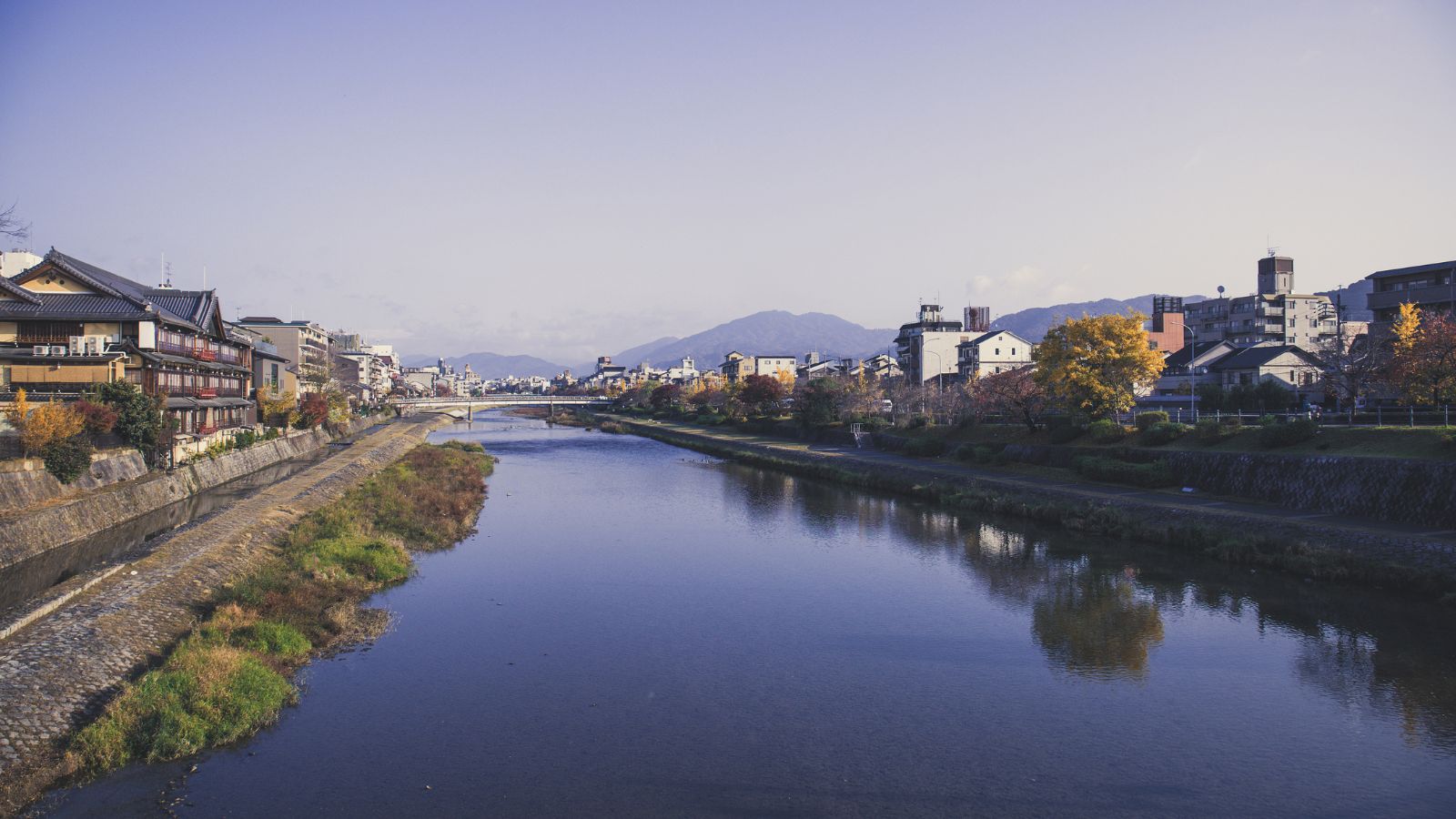
City Overview
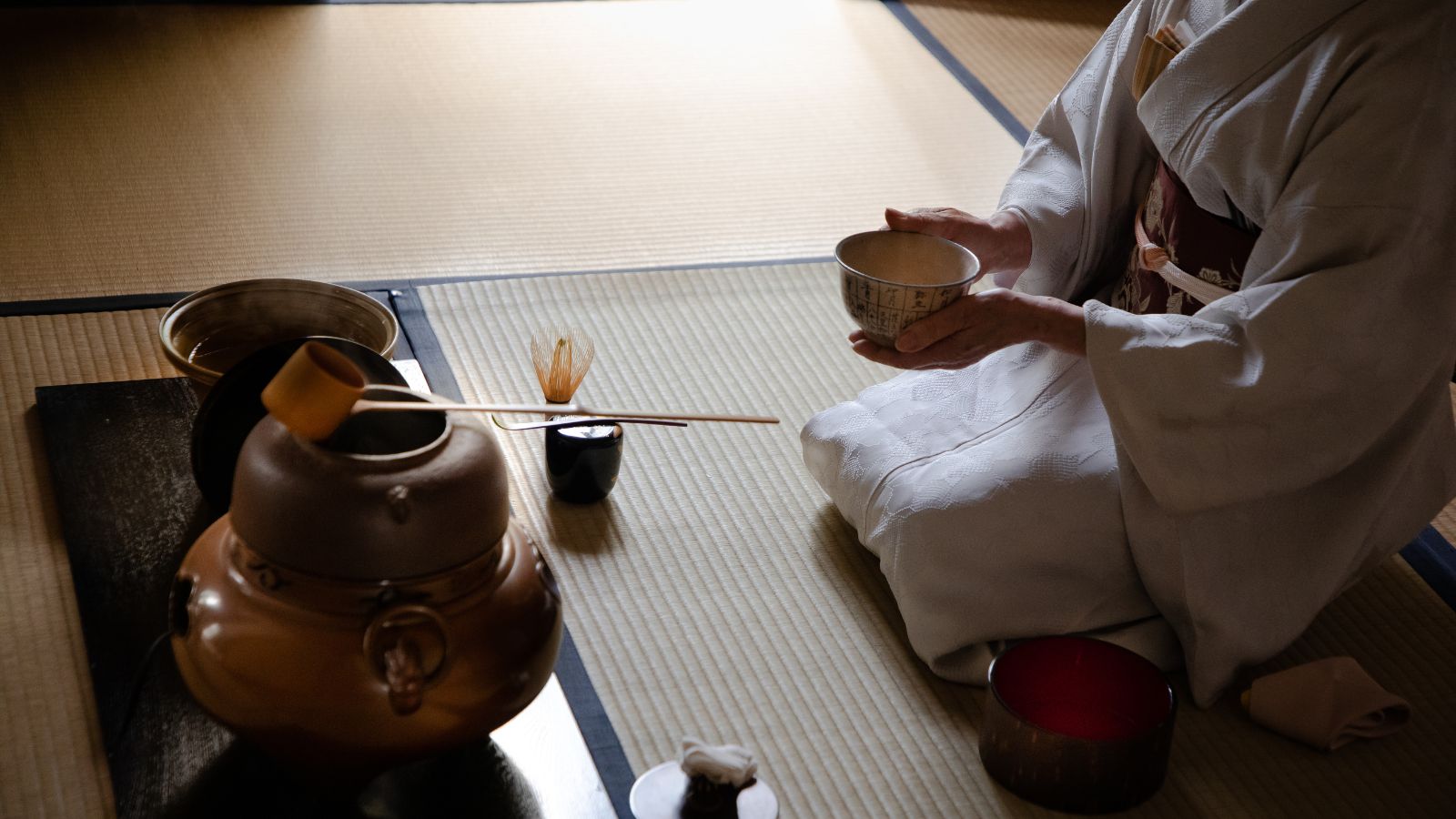
Ever wondered where the art of the tea ceremony came from? It’s Kyoto, which become a central location for the Japanese tea culture from the 16th century. It might also explain why the ideals of harmony, respect and tranquility so closely intertwined with this Japanese cultural art still resonate in Kyoto today.
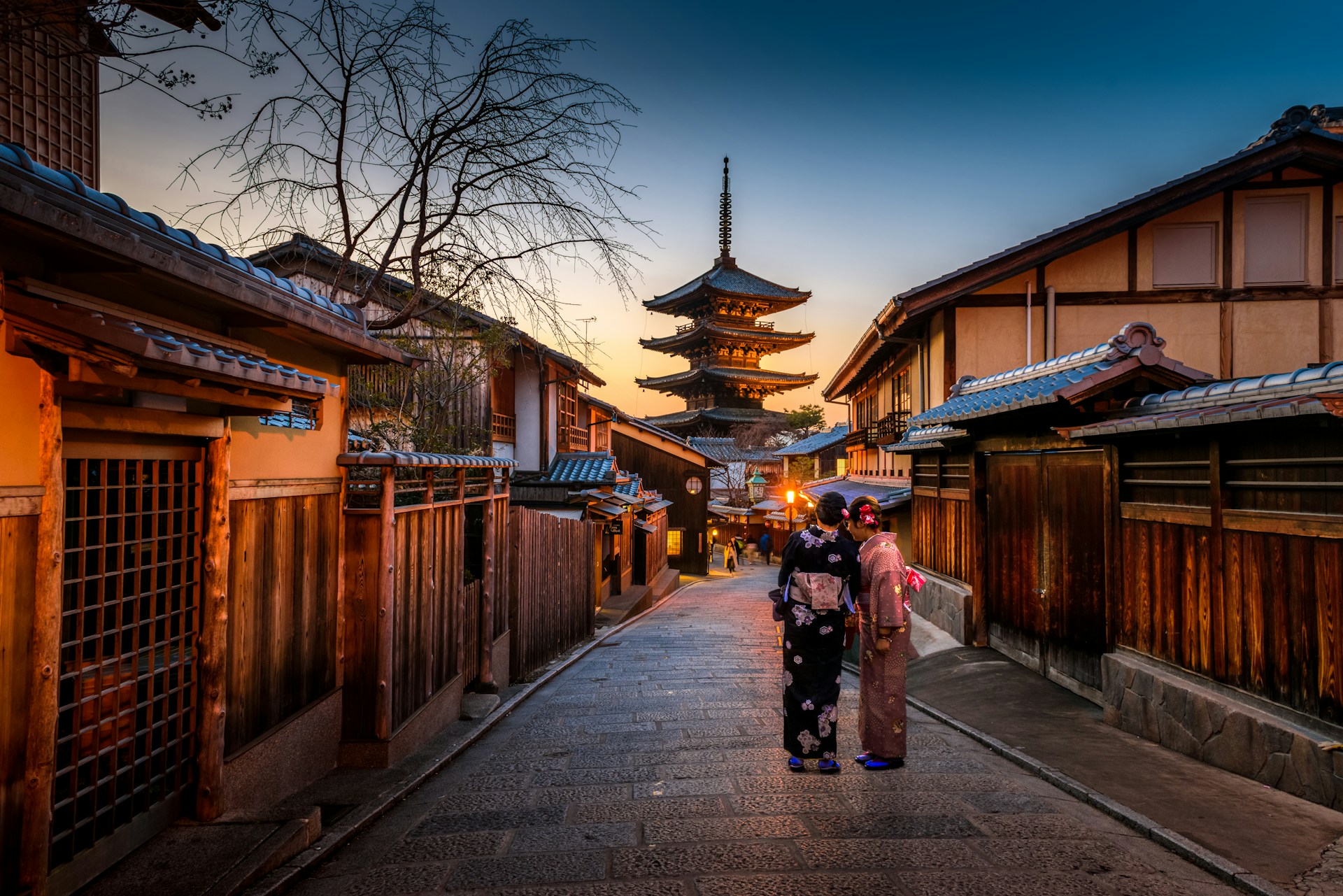
Kyoto served as the center of Japan’s political and cultural life for over 1,000 years, shaping its rich culture and making it the preserved heart of traditional Japanese arts, religion and architecture. Against this impressive backdrop, it has retained its status as a major educational and cultural hub whilst embracing modern innovation and urban generation, enabling scalable global business development.
Kyoto has cultivated a unique innovation ecosystem that integrates traditional craftsmanship with cutting-edge technologies such as life sciences and precision machinery. As an academic city with 36 universities and numerous research institutes, Kyoto continuously generates exceptional researchers and students, providing strong human-capital support for business.
This is underpinned by a thriving culture of university-industry collaboration and partnerships. The deep creativity and inspiration rooted in the history of this ancient capital, combined with excellent domestic and international accessibility, high levels of safety, and an outstanding quality of life are among the reasons Kyoto is especially attractive to investors and global talent.
Accessibility
Accessibility remains one of the key reasons for business relocation, a crucial factor that impacts everything from talent acquisition to customer reach and operational efficiency.
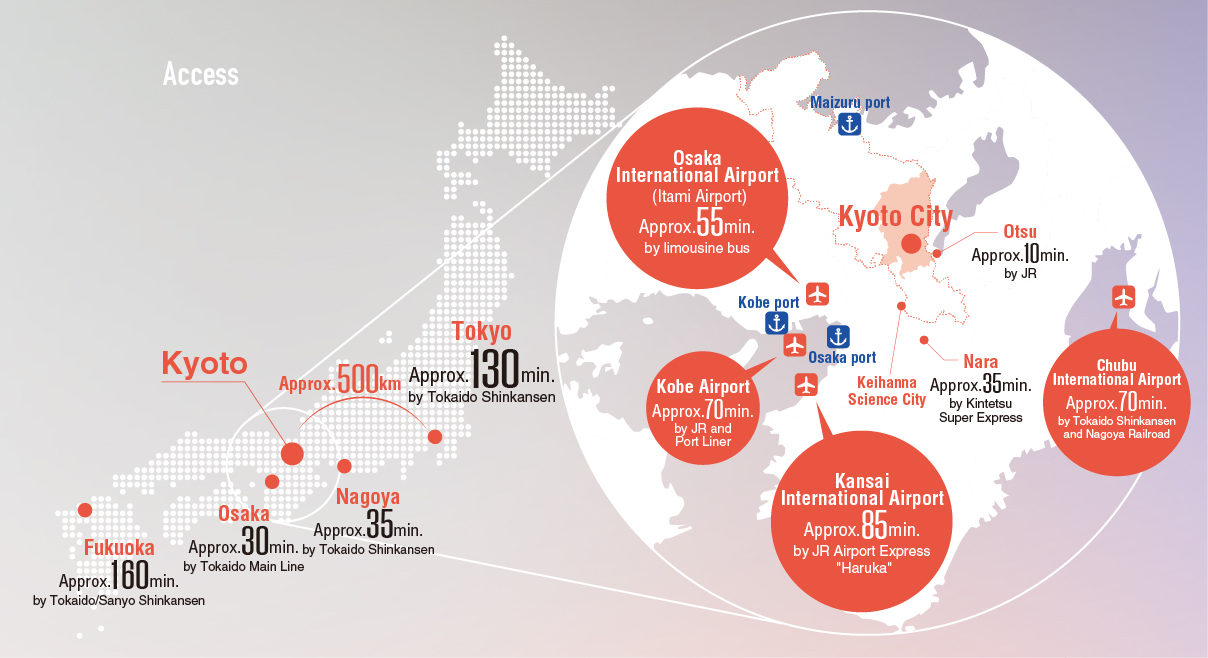
Centrally located in Japan, on the main island of Honshu, Kyoto offers excellent connectivity to major cities nationwide.
Approximately 30 minutes to Osaka or Nagoya, and around 2 hours to Tokyo, businesses enjoy easy access to Japan’s three largest metropolitan regions.
Multiple nearby airports, including Kansai International Airport 85 minutes away, make international travel convenient.Within the city, there is an extensive bus network, subway and private rail lines, along with share-cycle services and taxis, that create a highly connected urban environment. Most major destinations can be reached within 30 minutes.
Key Figures
- Population: 1.43 million
- Foreign residents: 61,000 (as of June 2024)
- Number of households: 760,000
- Area: 827.83 km²
- Population density: 1,731 people/km²
- Forest coverage: approx. 75%
- Climate (2024):
- Average annual temperature: 17.9°C
- Annual precipitation: 1,603.5 mm
- Number of World Heritage Sites: 15
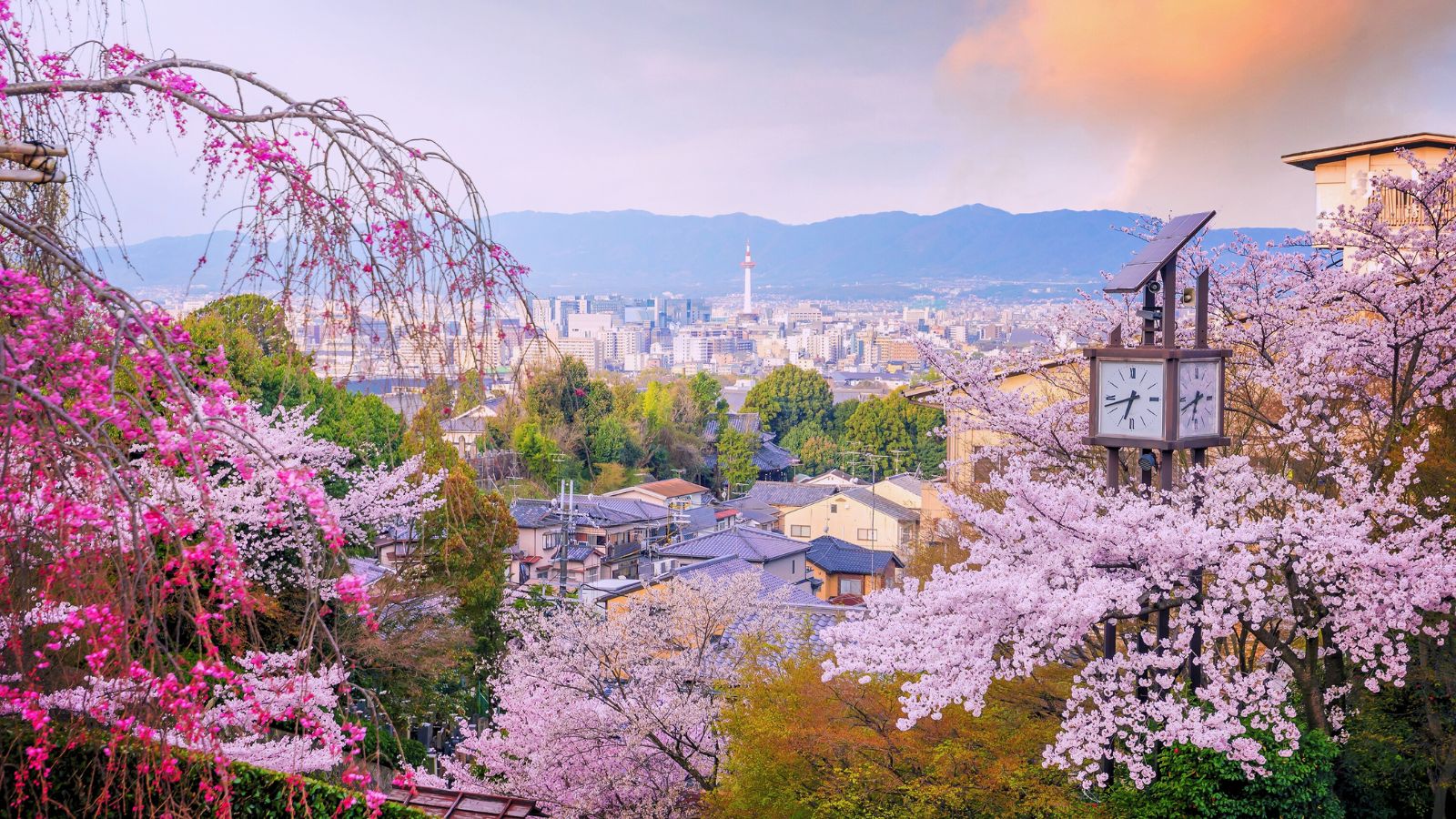
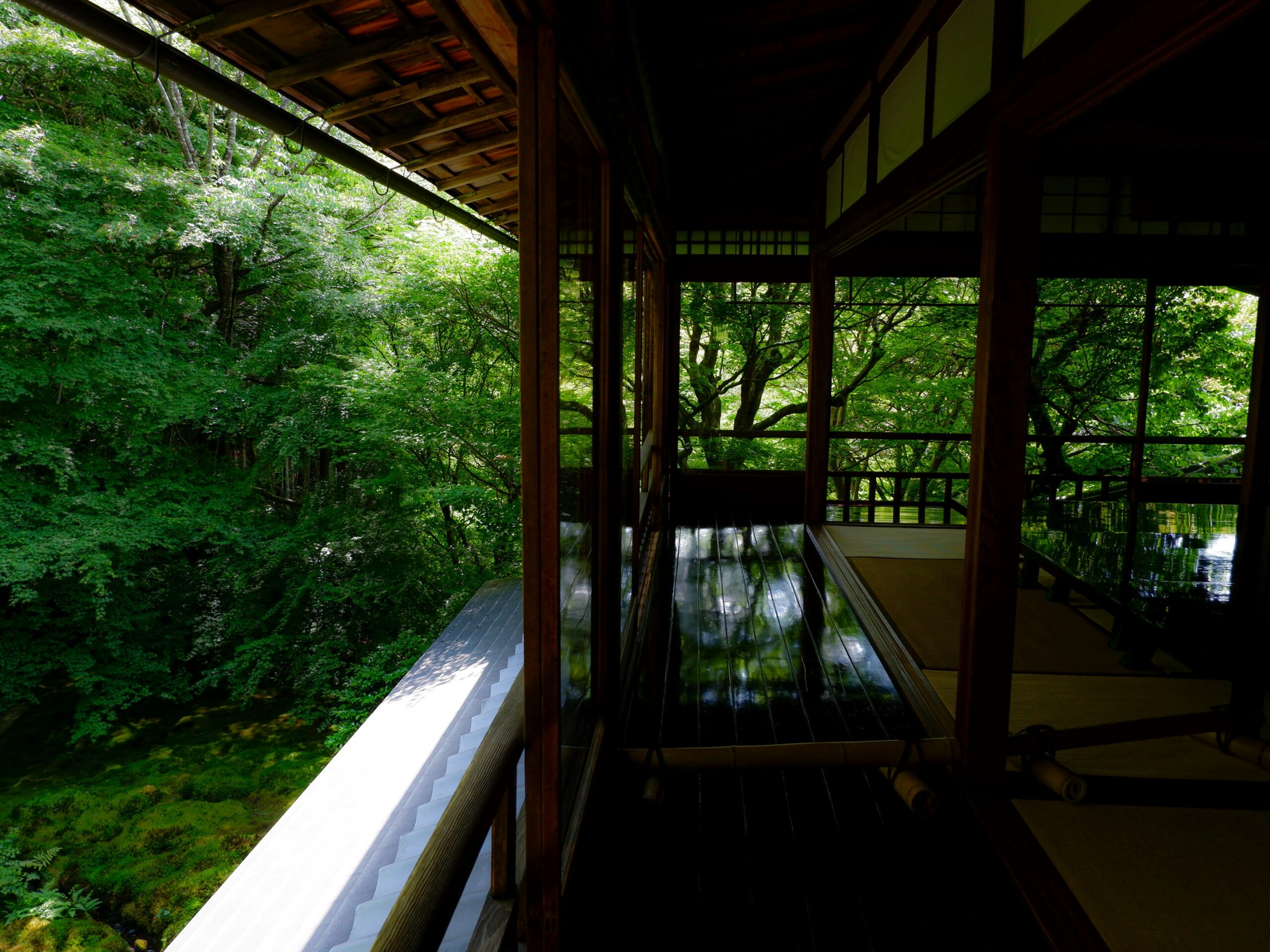
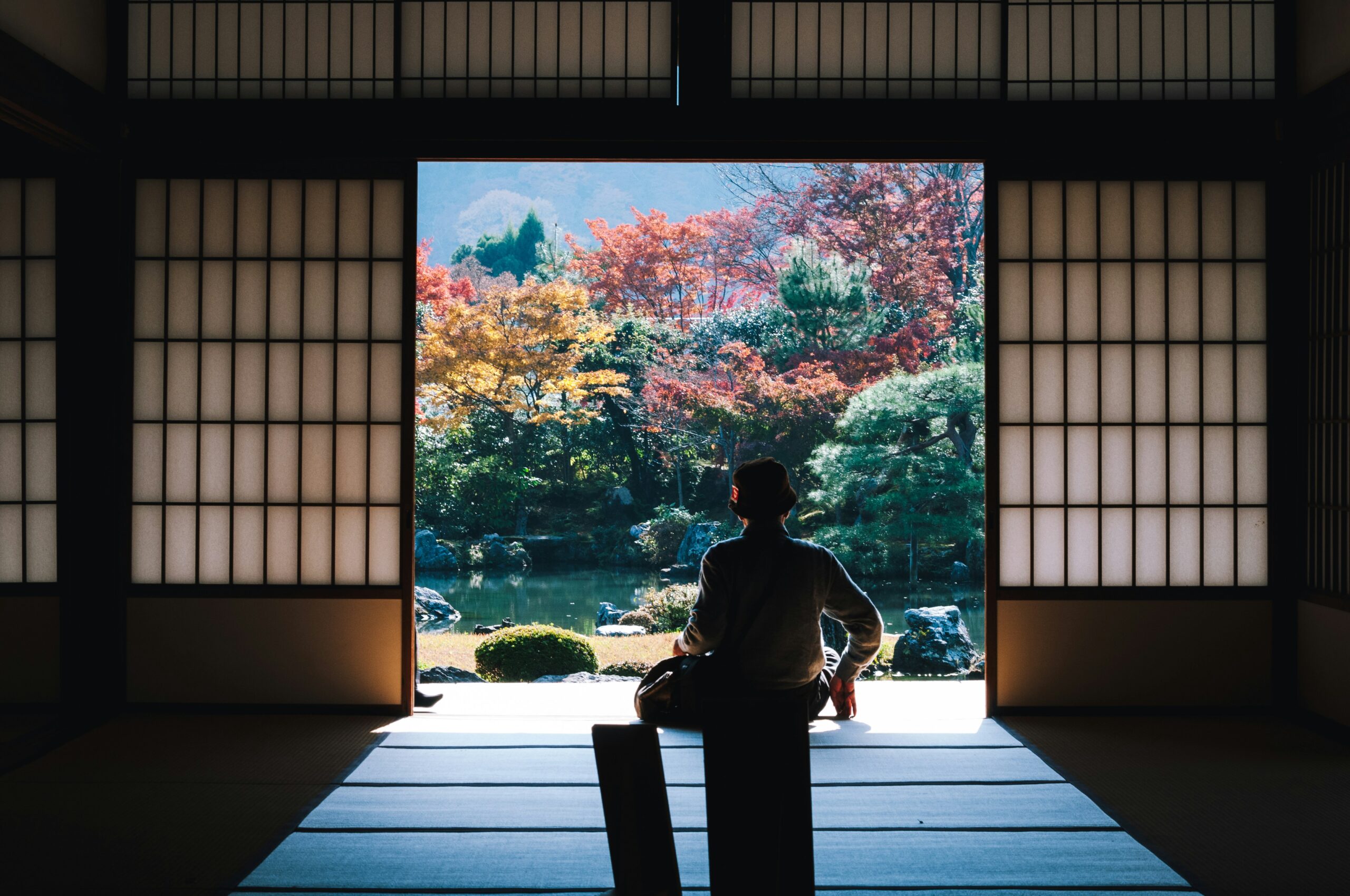
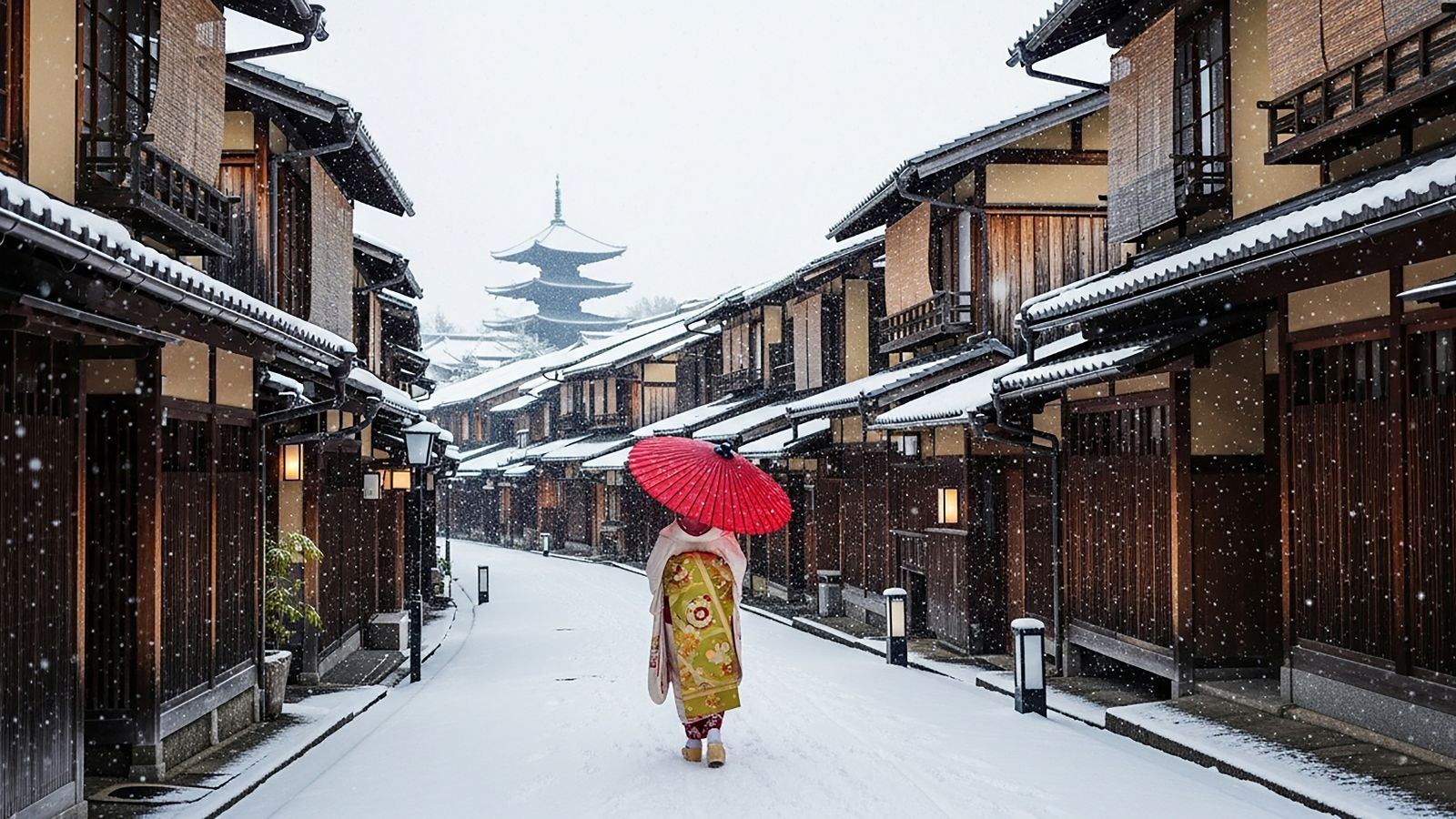
Business Indicators
- GDP: ¥6.8 trillion (2022)
- Economic growth rate: 2.4% (2022)
- Manufacturing shipment value: ¥2.6 trillion (2022)
- Number of companies: approx. 33,000
- Job-offer-to-applicant ratio: 1.21 (2023)
- Tourists: approx. 56.06 million (2024)
- Foreign visitors: 10.88 million
- Tourism consumption: ¥1.9 trillion
- Number of international conferences:
- Kyoto Prefecture: 225 (2nd in Japan)
- Kyoto City: 215 (42nd worldwide)
Quality of Life Indicators
- Number of universities: 36
- Students: approx. 150,000
- International students: approx. 14,000
- Science & engineering students: approx. 18,000
- Number of international schools: 23 in the Kyoto-Osaka-Kobe area
- Literacy rate: 100%
- Average housing rent: approx. ¥59,000/month ($377 USD/month)
- Office rent: approx. ¥14,000 per tsubo (YSD$90/per 3.31 sq. metres)
- Crime rate: Ranked one of the safest cities in the world with a crime index of 14.02 and an impressive safety index of 85.98.
- Average ambulance response time: 7.8 minutes
- Good transportation system, with low traffic commute times
- Low on pollution index
- High-quality, accessible healthcare system, contributing to world’s third highest life expectancy.